My Supplement Strategy for Natural Fibroid Management
One of the most frequently asked questions I’m asked is what are the best supplements for fibroids and fibroid symptoms. And because I’m not a medical professional, I can only speak to which supplements and herbal supplements have helped me. In fact, you should always consult your healthcare provider when adding any new supplements to your routine. Taking the wrong supplements can result in serious side effects.
One of the biggest mistakes I see people make is copying someone else’s routine. Whether it’s a wellness influencer on social media, a friend at the gym, or a health podcast host, it’s tempting to assume that if a supplement works for someone else, it will work for you too.
However, that’s a bad idea when it comes to fibroids because the exact cause of fibroid development is not clear. And many women experience symptoms differently and have different coexisting conditions.
There are several conventional medical treatments available to remove fibroids and even shrink fibroid growth, but these treatments rarely ever get to the root of the condition and only grant temporary relief if additional measures aren’t taken.

Fibroid Fighting Quickstart Guide
Subscribe and get a guide to start fighting fibroids today. And be the first to know when my ebook is ready.
Common symptoms like iron deficiency anemia, painful periods, heavy menstrual bleeding, and pelvic pain and pressure can all negatively impact your quality of life if you don’t deal with them immediately.
Many women, like myself, have opted to manage symptoms naturally. Proper supplementation is just one factor in managing fibroids naturally and can make a significant difference when done properly. But it’s important to make additional lifestyle changes to lower risk of fibroids and fibroid growth.
My simple system helps you figure out which supplements you actually need to give you symptom relief, restore hormonal balance and support your overall health.
What works for my body may not be what your body needs.
Over the years, I’ve developed a simple framework for evaluating my supplements and deciding what belongs in my routine. I wanted to share it because it’s helped me make more informed decisions and avoid falling into the trap of taking supplements just because they’re trending.
Before we dive in, an important disclaimer: I am not a medical professional. This post is based entirely on my personal experience and does not replace medical advice. Always consult your physician or qualified healthcare practitioner before starting any new supplement regimen.
Fibroid Management Guide
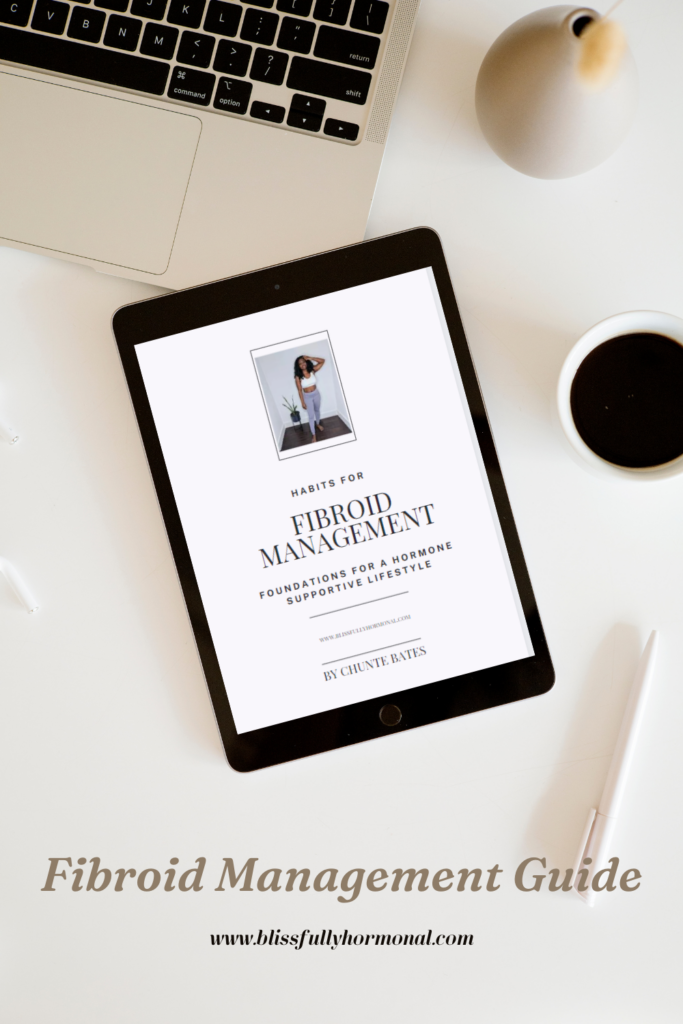
Learn how I completely stopped fibroid symptoms, started having lighter periods and even shrank a large fibroid to half its size.
Start With Data, Not Guesswork
The foundation of my supplement routine is information.
That information comes from a blood test, lab results, conversations with healthcare providers, and ongoing discussions with wellness practitioners. I don’t choose supplements based on social media recommendations or internet searches alone.
The goal is to understand what my body actually needs before adding anything to my routine.
Because I’m actively working on my health goals, including shrinking fibroids naturally, I review my supplement routine about once every quarter. As new information becomes available, I make adjustments.
That’s an important reminder: your supplement routine doesn’t have to stay the same forever. It should evolve as your health needs change. But I also make it a point to use something for at least 90 days before I decide if it’s helping.
Only add one new supplement at a time unless otherwise recommeded by your healthcare professional. And discontinue use immediately if you notice symptoms.
The Three Categories I Use
I’ve organized my supplementation into three main categories:
- Deficiencies
- Organ Support
- General Wellness and Fitness
This framework helps me avoid taking supplements without a clear purpose.
1. Address Deficiencies First
The first category is pretty straightforward: supplements that support known deficiencies.
The keyword here is known.
These are nutrients that blood work or professional guidance has identified as areas where I need support.
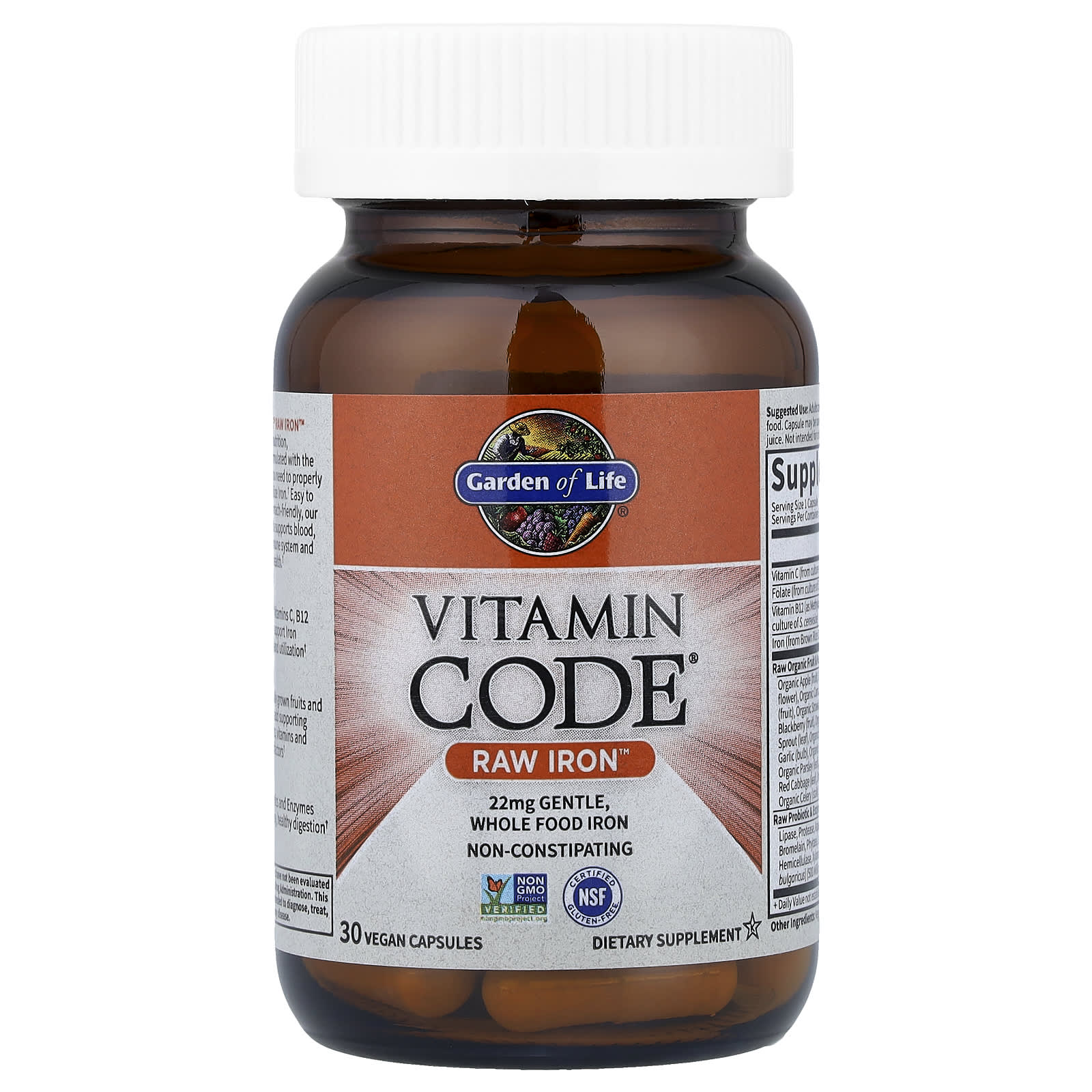
Currently, my primary focus in this category is iron. Low iron anemia is a really common issue for women with fibroid tumors, especially those of us who have dealt with large fibroids. Even small fibroids can cause heavy bleeding in some women.
For years, I’ve used a Vitamin Code Iron Supplement that also contains vitamin B12 and vitamin C. It’s a product that’s worked well for me since my pregnancy, when I experienced anemia.
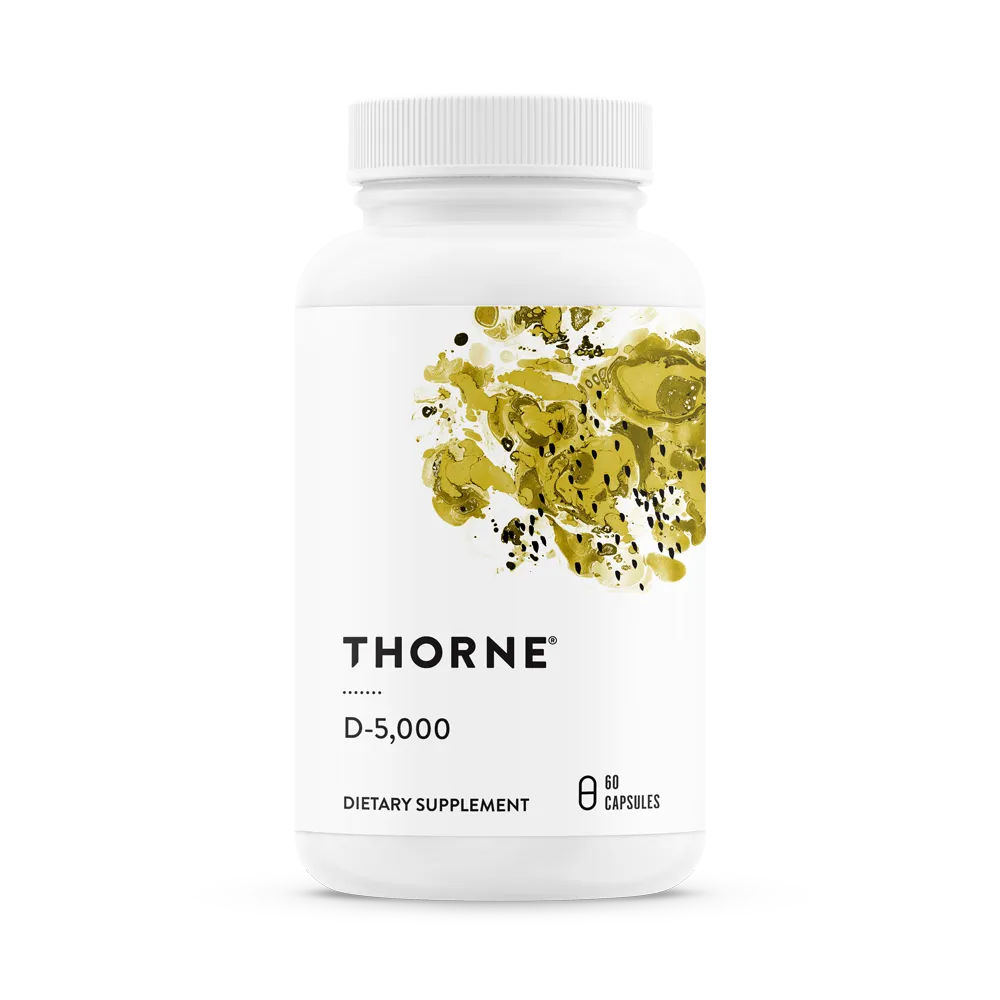
I also take vitamin D supplements. The good news is that my latest lab work showed my vitamin D levels are back in a healthy range. Because I was previously deficient, I had been taking a higher dose along with vitamin K2, which helps support vitamin D metabolism.
Vitamin D deficiency is extremely common in black women, so I make it a point to have mine checked at every checkup. Vitamin D has also been shown to shrink fibroids in this study.
The lesson here is simple: your supplementation should respond to your body’s needs, not remain static forever.
Supplement suggestions for common vitamin and mineral deficiencies:

2. Support the Organs That Need Extra Help
The second part of my framework focuses on organ support.
For me, that area is gut health.
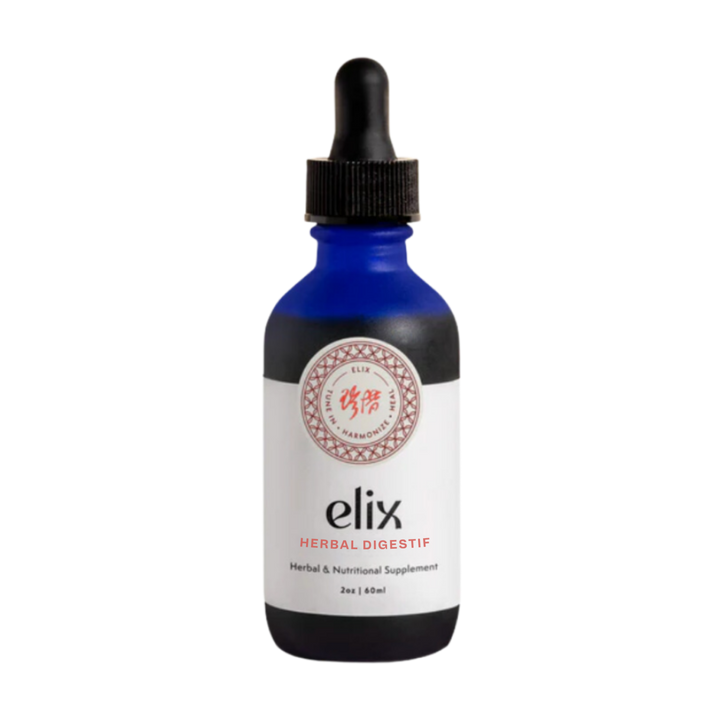
After consultations with my GI doctor and discussions with my acupuncturist, it became clear that my digestive system could use additional support. As a result, probiotics and digestive-support supplements have become a key part of my routine.
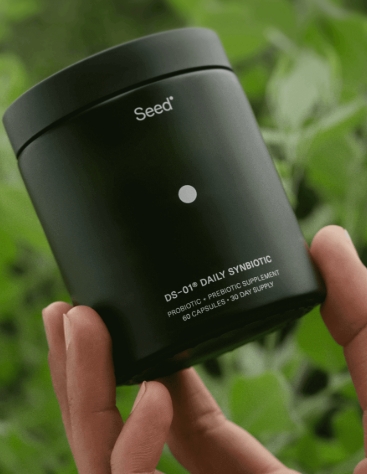
I’m currently searching for a new probiotic after discovering that my favorite formula was discontinued. Right now, I’m considering trying Seed because of the clinical research behind it and the positive feedback I’ve seen from others.
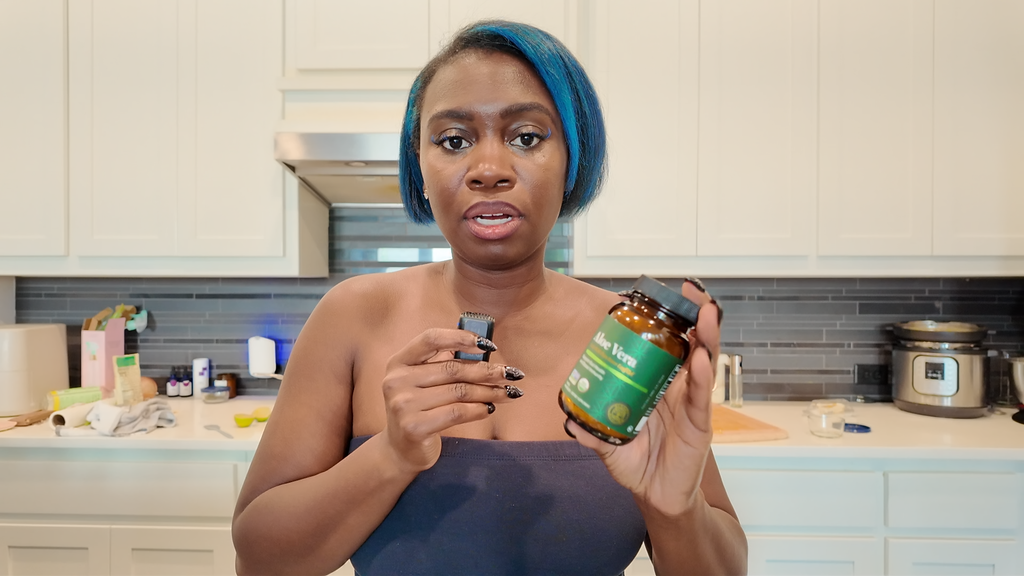
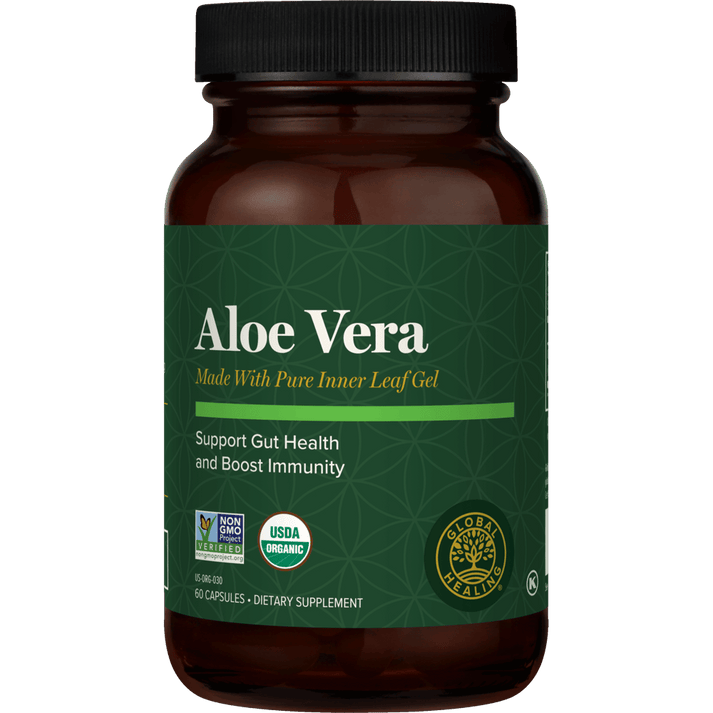
I’ve also been using an aloe vera supplement as part of my digestive support routine.
The takeaway? Organ support should be individualized. Your focus might be gut health, liver support, kidney function, or something entirely different. Understanding where your body needs help allows you to supplement with intention.
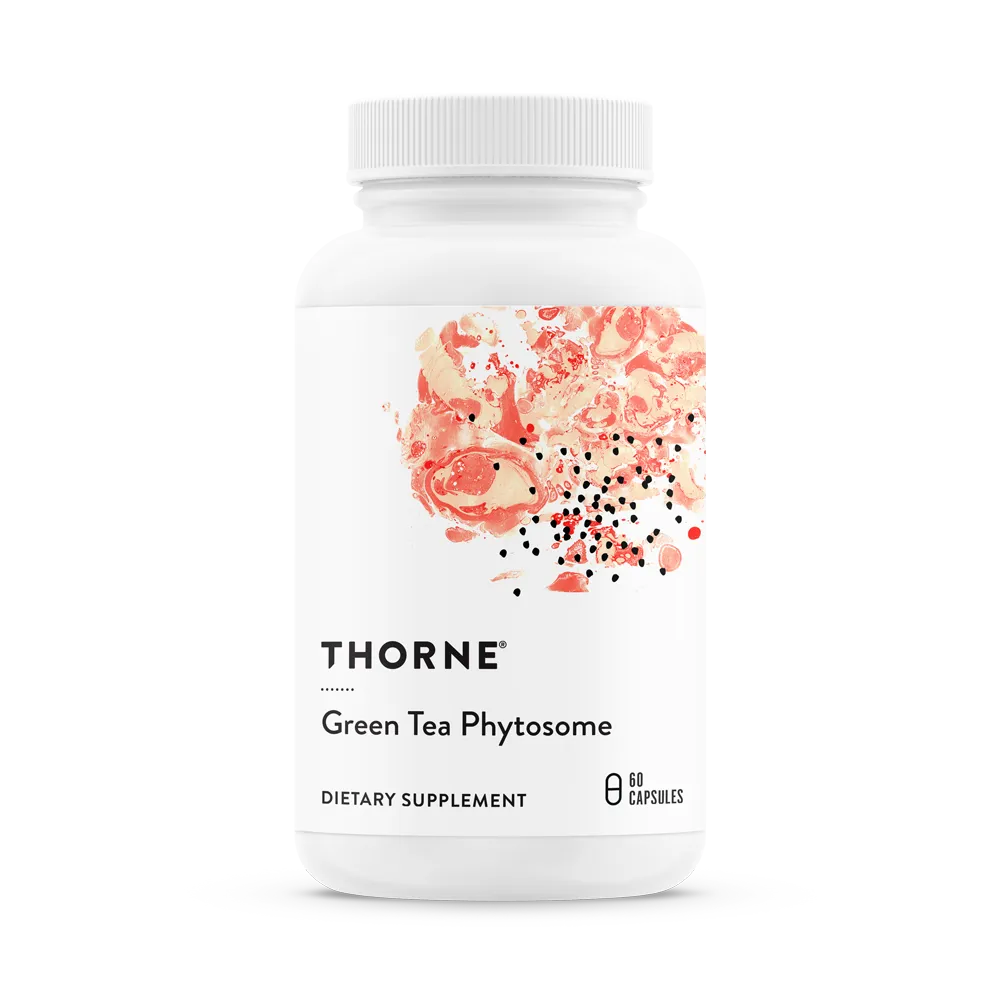
Supplementation suggestions for organ support:
3. Add Wellness and Fitness Supplements
The final category includes supplements that aren’t necessarily addressing a deficiency or a specific organ issue, but that help support overall wellness and lifestyle goals.
For me, that currently includes fitness recovery and sleep support.
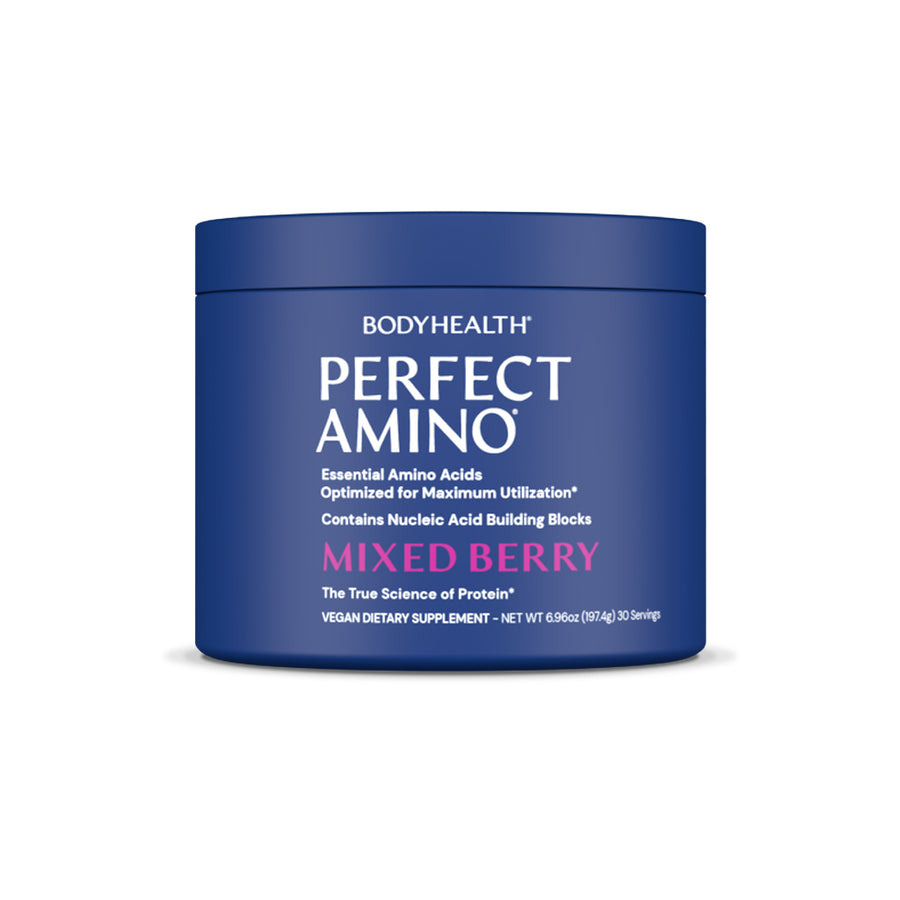
One of my favorite fitness supplements is an amino acid formula that I use around workouts. I’ve been taking it on and off for about two years and have noticed a significant difference in recovery. Post-workout soreness is rarely an issue for me when I use it consistently.
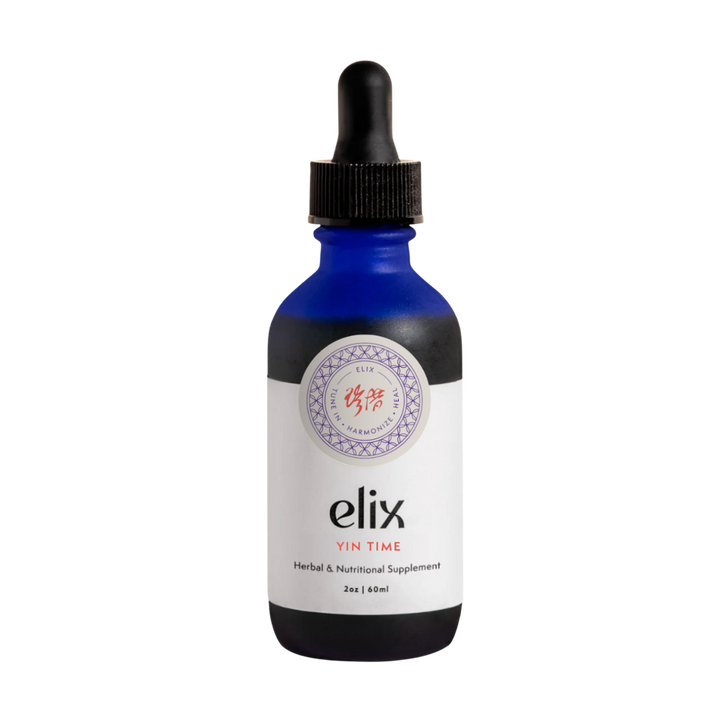
Sleep support has also become important. Recently, I’ve been using an herbal tincture designed to promote relaxation and help with falling asleep. After experimenting with melatonin in the past, I found that this option works well for me and fits better into my routine.
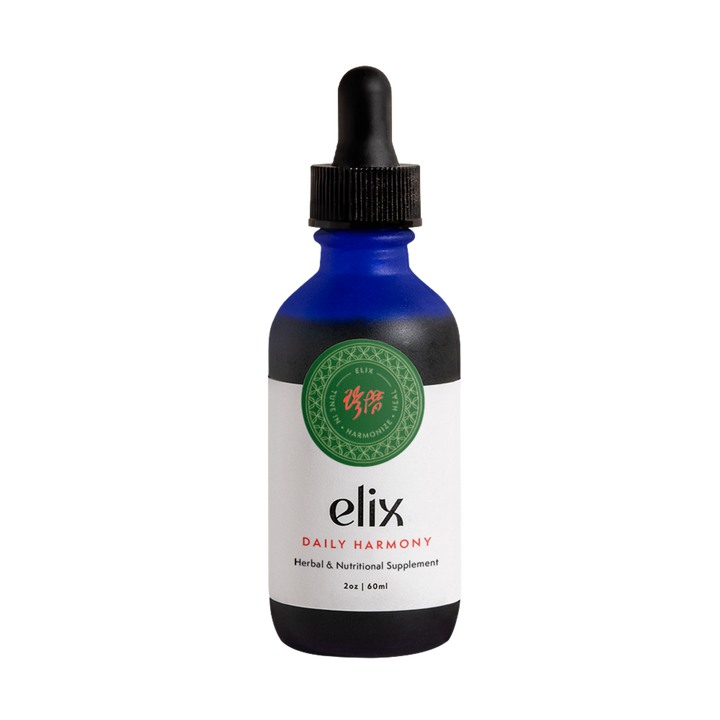
I also keep a digestive-support tincture on hand that helps when I’m eating particularly heavy or carbohydrate-rich meals. I’ve noticed that it can be helpful in managing occasional bloating.
These aren’t necessarily supplements I “need,” but they support my lifestyle and help me feel my best.
Suggestions for wellness support:
Keep It Practical
One thing I’ve learned over time is that more supplements don’t necessarily equal better health.
In fact, I actively try to keep my routine as simple as possible.
My first goal is always to get nutrients from a healthy diet whenever I can. Focus on foods that already have the nutrients you’re trying to supplement. A balanced diet high in nutrient-rich foods such as lean proteins, green vegetables, cruciferous vegetables, fruits, complex carbs, and healthy fats will help you meet your dietary needs.
Avoiding conventional red meat and dairy products, processed foods and excess caffeine can also help with symptom management. Many women have reported significant improvements by limiting and avoiding these foods.
Supplements are exactly what their name implies: supplemental. They fill gaps, provide targeted support, and address specific needs when appropriate.
The key is having a clear reason for every supplement you take.
If you can’t explain why you’re taking something, it may be time to reevaluate whether it belongs in your routine.
Final Thoughts
Creating a supplement routine doesn’t have to be complicated.
Start with data. Address deficiencies. Support the organs that need extra attention. Then consider wellness or fitness supplements that align with your goals.
Most importantly, work with qualified healthcare professionals who can help you interpret your health data and make informed decisions.
At the end of the day, the best supplement routine isn’t the one your favorite influencer follows. It’s the one that’s built specifically for you.